1 Improvement depends on the size of the tire purchased. 20% improvement based on internal sidewall splitting test results derived from a simulated sidewall aggression testing machine (patent pending US20120245859A1) vs. BFGoodrich All-Terrain T/A KO tire in size LT265/70R17. Actual on-road results may vary.2 Excludes Original Equipment tires.3 Snow: Based on third-party snow traction tests vs. BFGoodrich All-Terrain T/A KO tire in size LT 265/70R17 using the ASTM F1805 Test. Mud Traction: Based on internal subjective mud testing vs. the BFGoodrich All-Terrain T/A KO tire in size LT 265/70R17.
OE Code [Original Equipment Key]: FOR = Ford, JEP = Jeep4 Guarantee applies to up to 6 tires per customer. Guarantee applies only to tires that were purchased and mounted and does not apply to exchanged tires that were provided under this guarantee. The guarantee does not include the cost of valve stems. Tires that are damaged due to misuse or misapplication, road hazards, mechanical problems related to the vehicle, use in any racing-related activities, or competitive events, or tires that are removed from the original vehicle on which they were installed, are excluded from guarantee. OE Code: FOR = Ford, JEP = Jeep, INE = INEOS
Government UTQG Ratings do not apply to light truck sized tires.
>> The sizes shown are average design values for tires measured on specified measuring rim widths. Some tires may vary from this value by +/-3% of the section height (affecting overall diameter), and +/-4% of the section width.
>> Section width varies approximately 0.2" (5mm) for every 0.5" change in rim width.
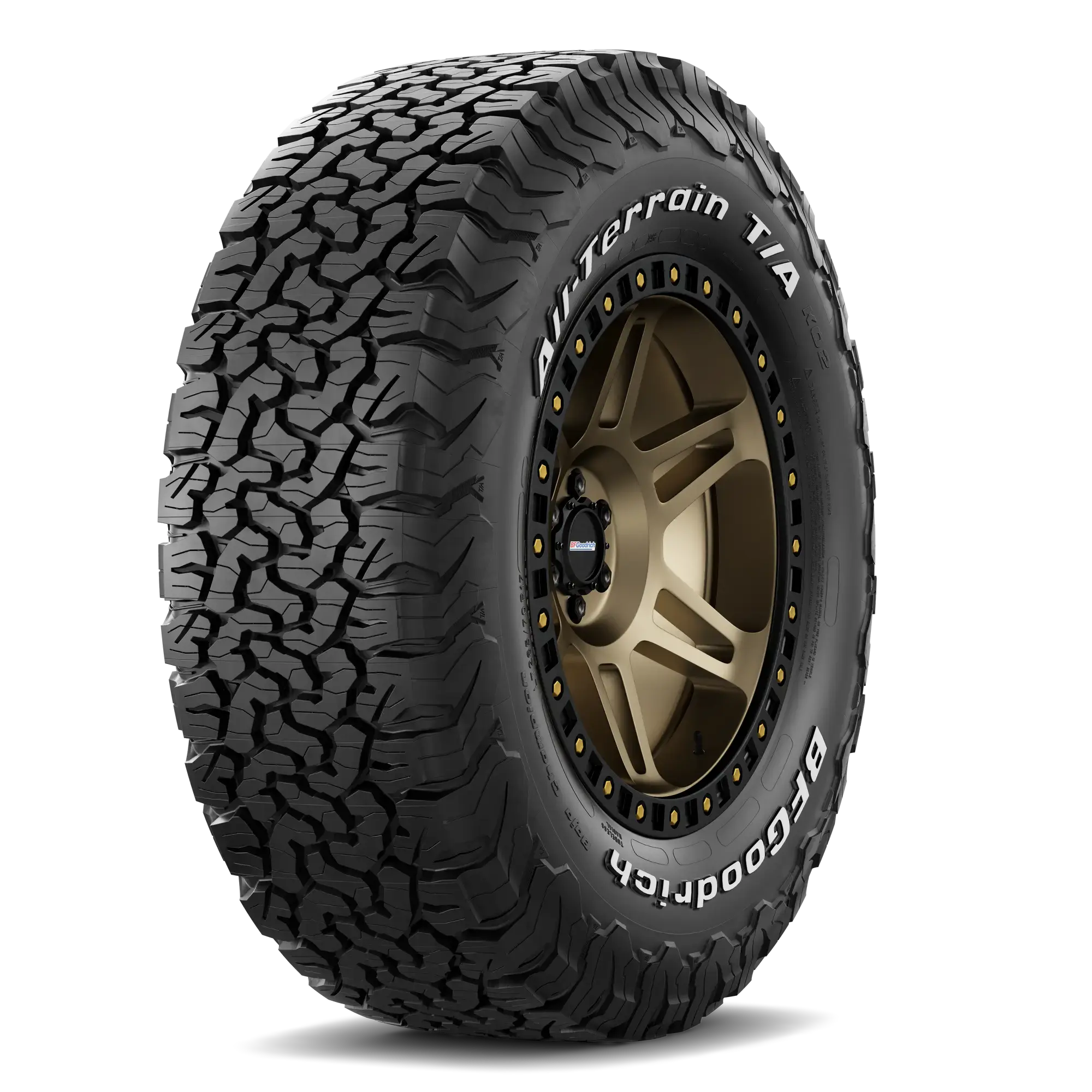
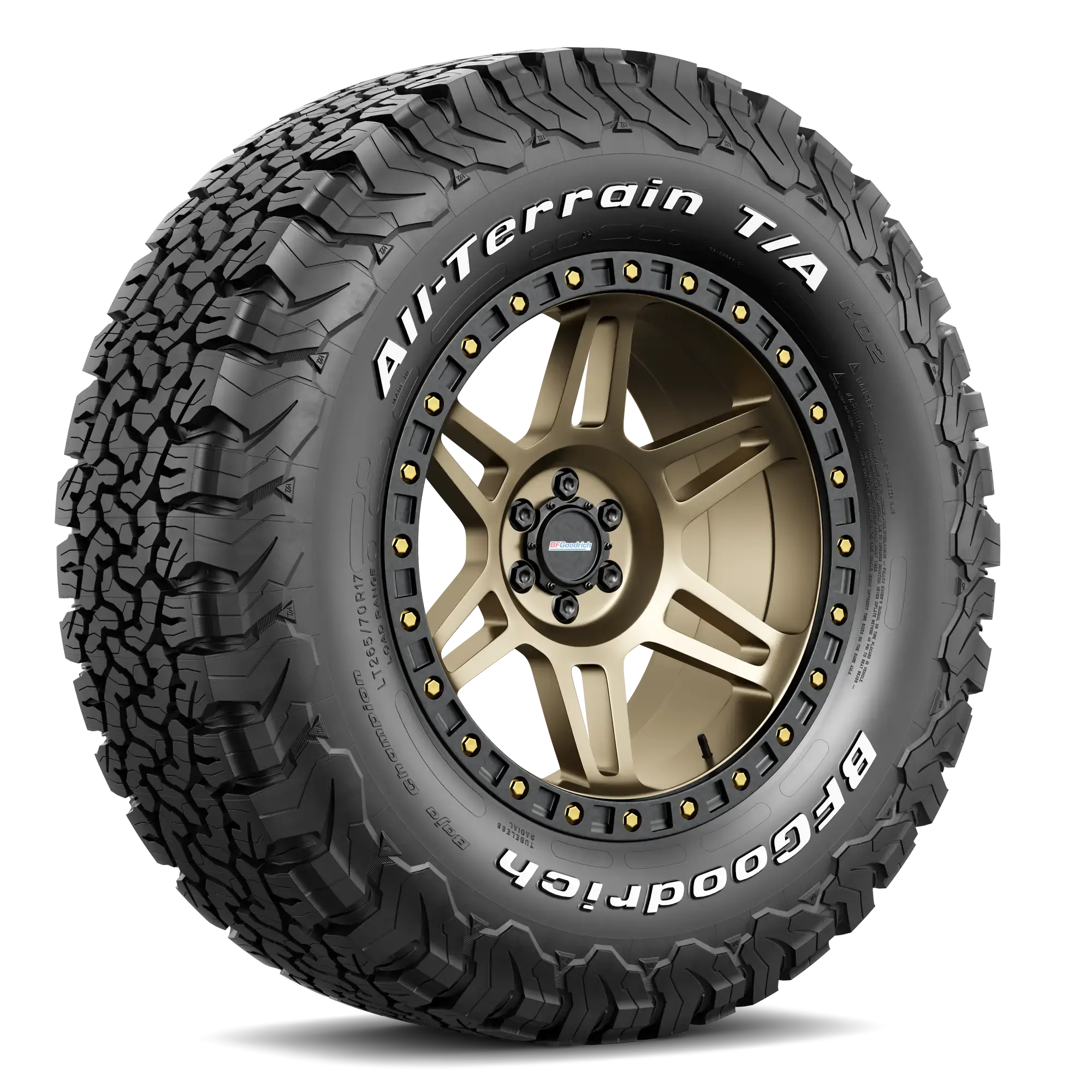
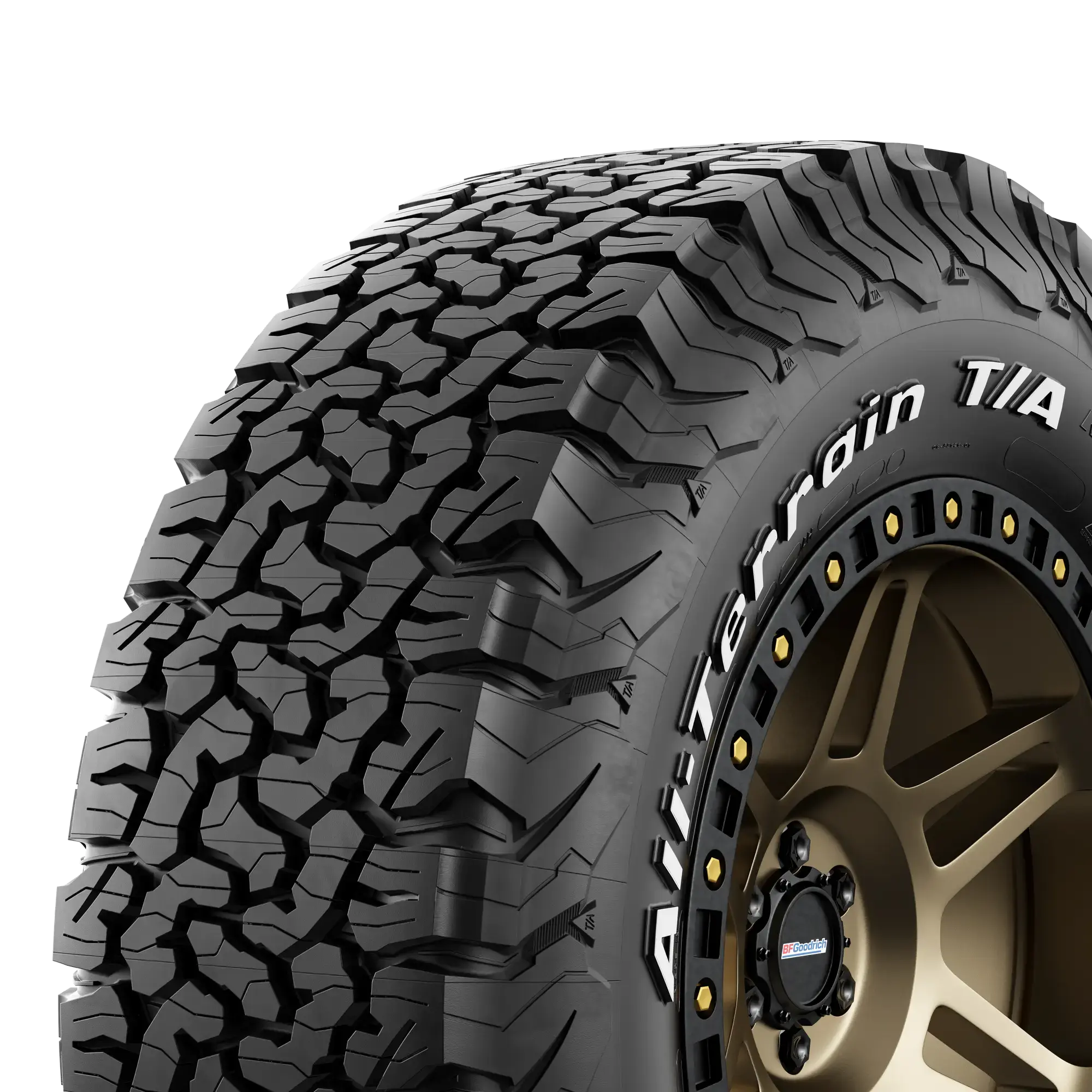
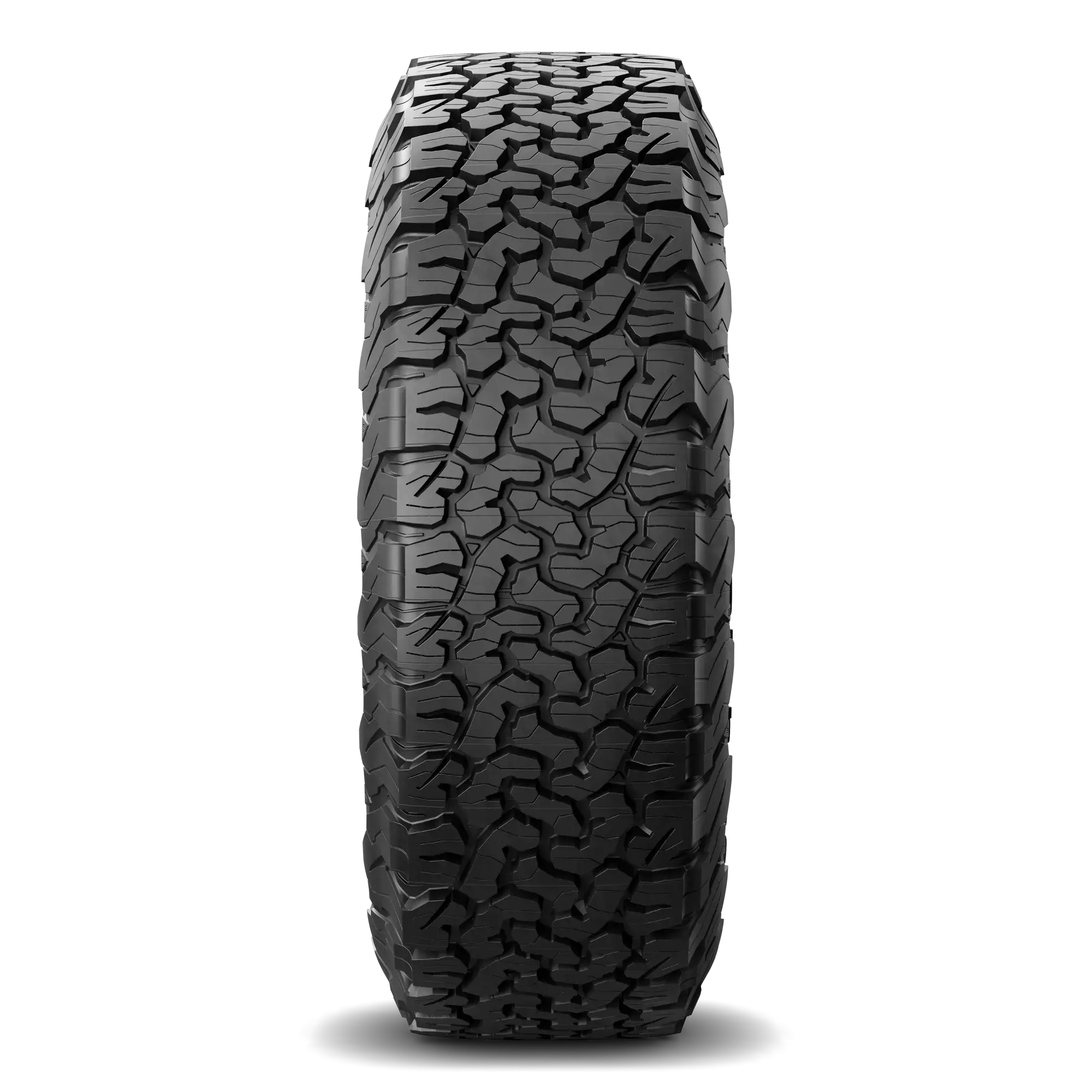
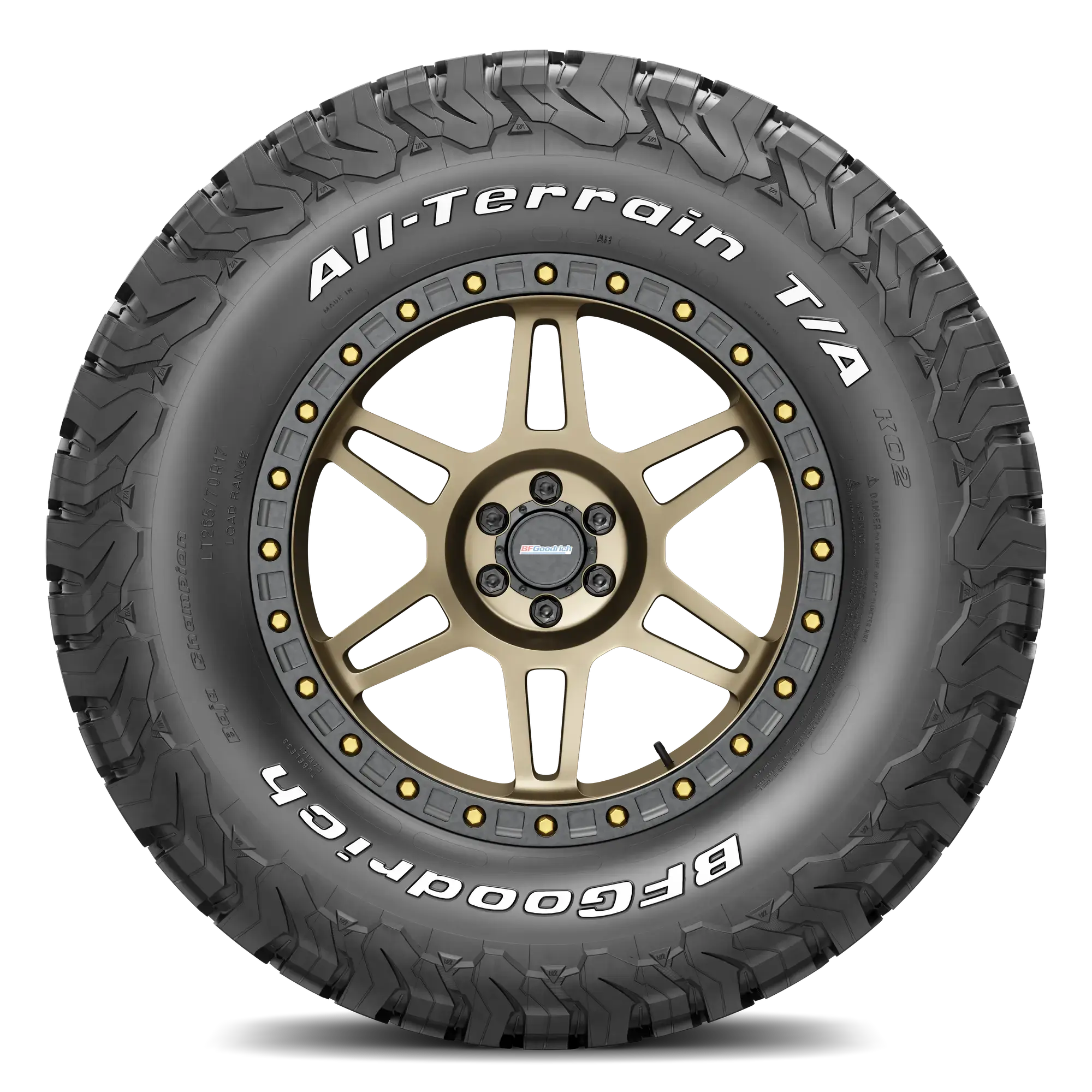
>> Tread patterns are often tuned to accomodate different tire widths. Tires for a particular dimension of a given tireline may vary in appearance from the tire shown in the photograph.
WARNING: Serious or fatal injury may result from tire failure due to underinflation or overloading. To ensure correct air pressure and vehicle load, refer to vehicle owner's manual or tire information placard on the vehicle. Serious injury or death may result from explosion of tire/rim assembly due to improper mounting. Only tire professionals should mount tires and they should never inflate beyond 40 psi to seat the beads. Before mixing types of tires in any configuration on any vehicle, be sure to check the vehicle owner's manual for its recommendations. No tire is indestructible. An impact can cause a tire to fail, resulting in serious injury or death. Consult your tire owner's manual for proper maintenance instructions.
When replacing an Original Equipment P-Metric or Euro Metric size tire with an LT-metric or High Flotation size tire, the air pressures of the LT-metric / High Flotation tire must be adjusted in order to properly carry the load of the vehicle. See your BFGoodrich Tires dealer for the proper air pressure recommendation.
DANGER: Never mount a 16" diameter tire on a 16.5" rim.
DANGER: Never mount a 17" diameter tire on a 17.5" rim.
Inflation pressure increase must not exceed the maximum pressure branded on the tire sidewall. When a customer requests a replacement tire with a lower speed rating than the original equipment tire, you must clearly communicate to him or her that the handling of the vehicle may be different, and that its maximum speed capability is limited to that of the lowest speed-rated tire on the vehicle. Exceeding the lawful speed limit is neither recommended nor endorsed.
For high-speed driving, additional inflation pressure and possibly reduced tire loading and/or upsizing is required. In the absence of specific recommendations by the vehicle manufacturer, use the following guidelines based on those in the European Tyre and Rim Technical Organization Standards Manual.
For speeds over 160km/h (100 mph), load and inflation must be adjusted according to the table below.
Q-Speed Rated Sizes:
| Maximum Speed (km/h) | 100 |
| Inflation Increase (psi) | 0.0 |
| Load Capacity (% of max.) | 100 |
R-Speed Rated Sizes:| Maximum Speed (km/h) | 100 | 106 |
| Inflation Increase (psi) | 0.0 | 1.0 |
| Load Capacity (% of max.) | 100 | 100 |
S-Speed Rated Sizes:| Maximum Speed (km/h) | 100 | 106 | 112 |
| Inflation Increase (psi) | 0.0 | 1.0 | 2.0 |
| Load Capacity (% of max.) | 100 | 100 | 100 |
T-Speed Rated Sizes:| Maximum Speed (km/h) | 100 | 106 | 112 | 118 |
| Inflation Increase (psi) | 0.0 | 1.0 | 2.0 | 3.0 |
| Load Capacity (% of max.) | 100 | 100 | 100 | 100 |
The images presented are provided for reference purposes only and do not constitute a contractual representation. They are used for illustration purposes and do not guarantee the exact conformity of the products or services offered.