PROPER AIR PRESSURE
Under-inflated tires are one of the biggest causes of excess fuel usage in the world. The American Automobile Agency has stated that operating a vehicle with underinflated tires can result in a 25-percent reduction in fuel economy. Ouch.
TIRE CONSTRUCTION
The lower the rolling resistance, the less effort from your engine, the better the gas mileage. This is why passenger tires offer better gas mileage and longer tread life than SUV/Light Truck tires and winter tires, whose heavier tread patterns are designed with maximum traction in mind.

Dealer Locator
Search among our dealers to find where your tire is available
Frequently asked questions
BFGoodrich answers your most asked questions.
FAQ
They can, if you choose a low rolling resistance model and the tires you are replacing were worn, underinflated, or a high-resistance design. Rolling resistance varies meaningfully between models in the same size. New tread is slightly deeper and can add a small amount of resistance initially, which settles as the tread breaks in.
They use tread compounds and constructions engineered to minimize energy loss as the tire flexes and recovers with each rotation. Silica-based compounds and optimized tread block design reduce the heat generated during deformation, which is where that energy goes. Less energy lost means less fuel burned maintaining the same speed.
Significantly, and it is the cheapest fix available. An underinflated tire deforms more with each rotation, increasing rolling resistance and requiring more engine effort to maintain speed. That penalty applies to every mile you drive. Checking pressure monthly and correcting to your door placard figure recovers that loss entirely at no cost.
There is a trade-off, but modern tire engineering has narrowed it considerably. Compounds that reduce energy loss have historically also reduced wet grip, but current designs balance the two better than earlier generations. Compare specific models on both attributes rather than assuming a fuel-efficient tire is automatically worse in the wet.
Driving style is the biggest one: rapid acceleration and hard braking waste energy on every cycle. Excess weight in the vehicle, roof racks and carriers that create aerodynamic drag, and idling all add up. Combined with correct tire pressure and a low rolling resistance tire, smooth driving delivers the largest total improvement.
Related pages
Related articles
-
Oversteering and Understeering
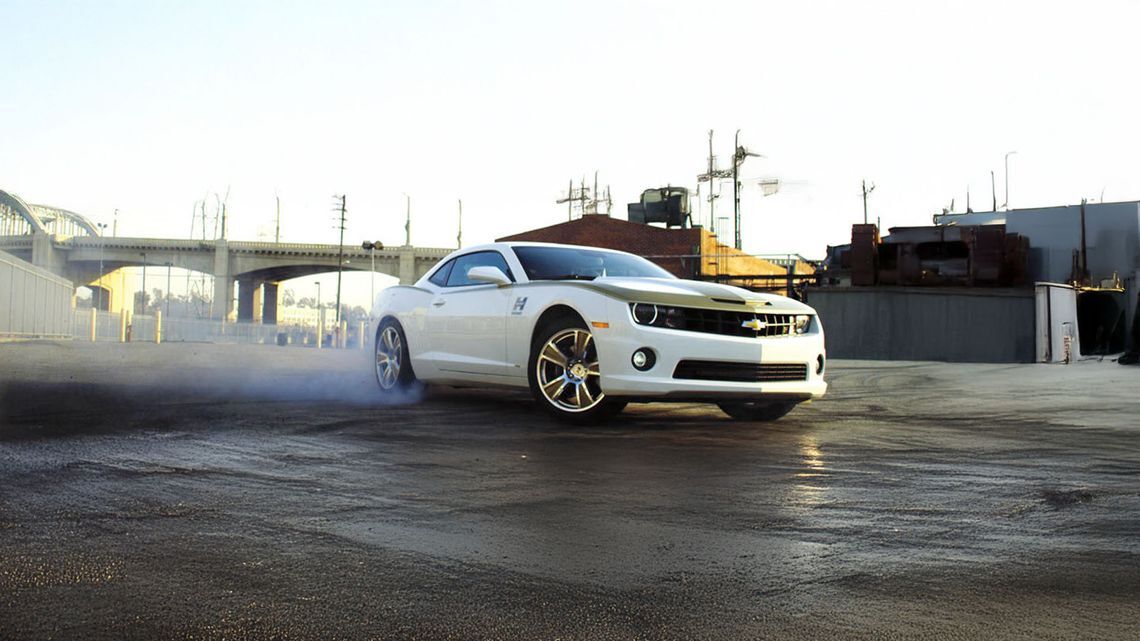
Take a turn too fast and one of two things happens. In understeer, the front tires lose grip and the vehicle continues straight even though you have turned the wheel. In oversteer, the rear loses grip and swings wide. Each has a different correct response, and the instinctive reaction is usually wrong in both cases. Wet conditions make both far more likely.View more -

Winter Driving Tips
You don’t have to live at the North Pole to benefit from winter tires. If you frequently encounter snow or ice, or if the temperature is consistently below 45 degrees, well, you may want to think about moving. However, if you like that kind of weather, your tires are going to need the extra grip and turning capabilities that only winter tires can deliver. Even if you have 4-wheel drive or all-wheel drive, you still need winter tires on the front and back to combat the elements and stay safe.View more -
Driving on Wet Roads
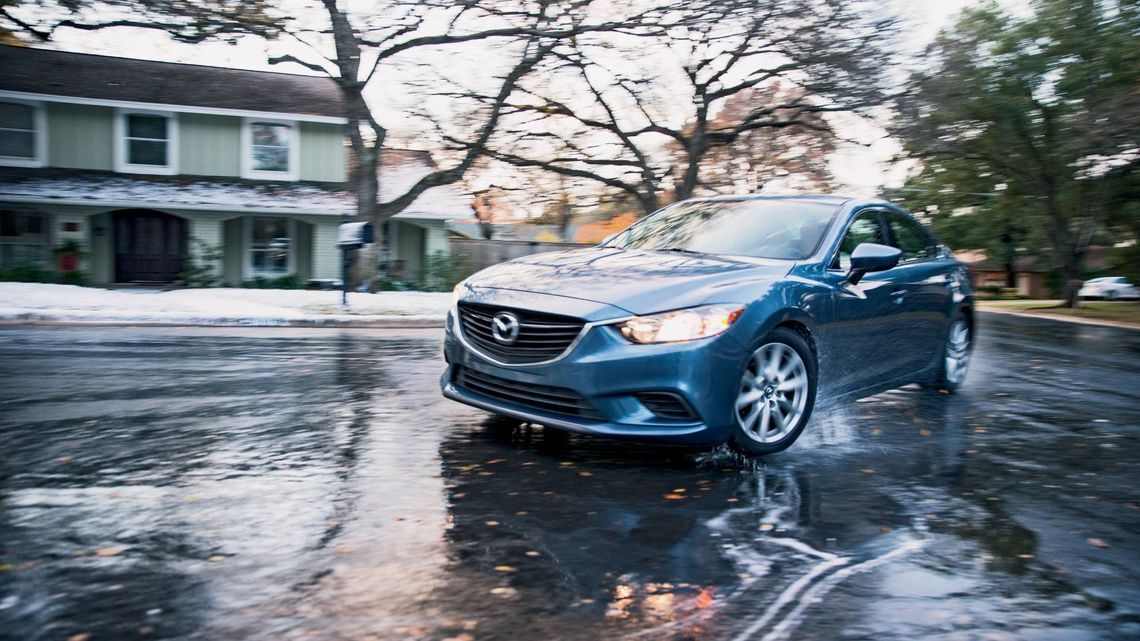
There’s a trick to driving in wet conditions. You ready? Here it is. SLOW DOWN. Seriously, if more drivers would heed this advice in the rain, accidents would dramatically decrease. Wet weather doesn’t get the same attention as snow and ice, but it should. Wet roads present similar dangers—like less grip and longer stopping distance. To watch wet weather driving techniques, watch the video below, which was shot on a professional wet track with a professional driver.View more -
Road Trip Tips
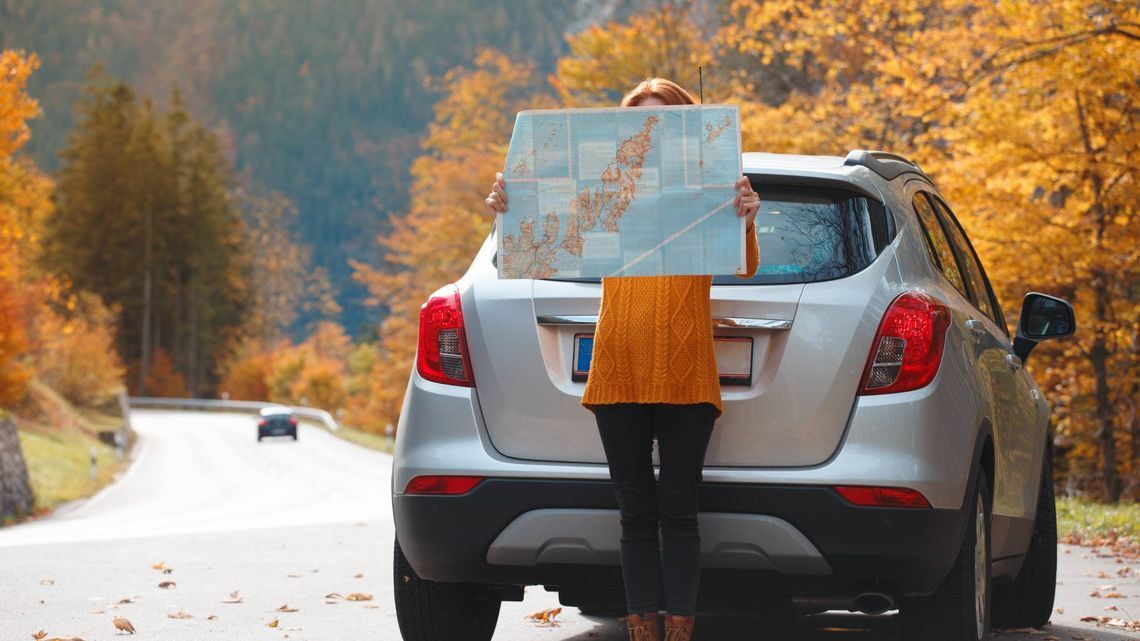
Luggage packed, tank full, GPS set, seatbelt on. You are not ready yet. Your tires are the only thing between you and the open road, and a tire problem 300 miles from home is a very different situation from one near your house. The pre-trip check is short: pressure on all four plus the spare compared against your door jamb sticker, and tread checked both visually and with the penny test.View more -
Off-Road Driving Tips
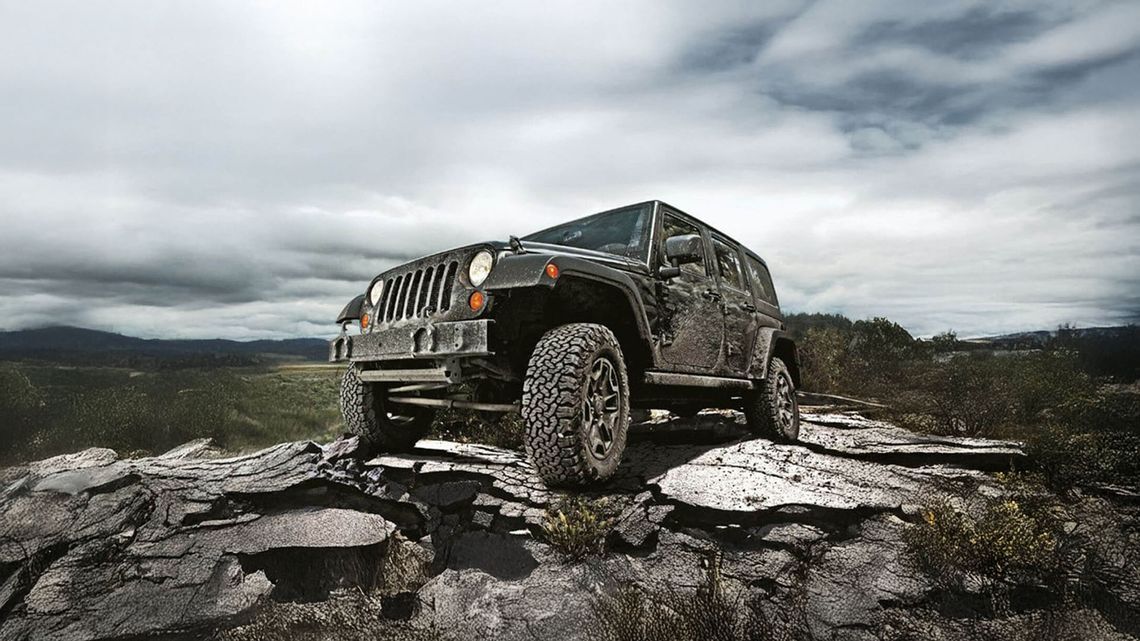
Off-road driving rewards technique over throttle. In sand and snow, if your wheels start to spin, ease off the gas to let the tires slow and regain traction. In mud you want the opposite: maintain some wheel spin to help clear mud from the drive tires. Approach obstacles at an angle so one tire engages while the other three stay on solid ground. On hills, approach straight on and always have an escape plan.View more