Note: A “cool” form of oversteering is called drifting. It’s a technique where the driver intentionally oversteers, but maintains control around a corner at high speeds. Drifting competitions are held around the world.
Lawyer’s Note: BFGoodrich does not condone drifting—unless under the supervision of a professional and within a safe, controlled, professional course or environment.
Dealer Locator
Search among our dealers to find where your tire is available
Frequently asked questions
BFGoodrich answers your most asked questions.
FAQ
Understeer is when you turn the wheel and the vehicle keeps going straight because the front tires have exceeded their grip. The correction is counterintuitive: ease off the accelerator, do not add more steering lock, and do not brake hard. Reducing speed transfers weight forward and lets the front tires regain grip, at which point the vehicle turns.
Oversteer is when the rear of the vehicle slides wider than the front, so the car begins to rotate. The correction is to steer gently in the direction the rear is sliding, often described as steering into the skid, while easing off the throttle smoothly. Sharp corrections in the opposite direction cause a secondary slide that is harder to catch than the first.
Understeer is when the front tires give up first and the car pushes wide of your intended line. Oversteer is when the rear tires give up first and the back end comes around. Understeer feels like the car is ignoring your steering. Oversteer feels like the car is rotating more than you asked it to.
Oversteer is generally harder to recover from because the vehicle is rotating and the correction window is short. Understeer usually gives more time to react and the correction, easing off the throttle, is simpler. That is why manufacturers tune most road vehicles toward mild understeer at the limit, and why the newest tires go on the rear axle.
Directly. Grip differences between the front and rear axles determine which end loses traction first. Mismatched tires, unequal wear front to rear, or unequal pressure all shift that balance. Fitting the newer or higher-grip pair to the rear axle biases the vehicle toward the more manageable understeer condition.
Drifting is intentional, controlled oversteer where the driver deliberately breaks rear traction and maintains control through a corner. It is a motorsport discipline with competitions worldwide. It is not something to attempt on public roads, and it should only be practiced under professional supervision in a safe, controlled, closed-course environment.
Related pages
Related articles
-

Winter Driving Tips
You don’t have to live at the North Pole to benefit from winter tires. If you frequently encounter snow or ice, or if the temperature is consistently below 45 degrees, well, you may want to think about moving. However, if you like that kind of weather, your tires are going to need the extra grip and turning capabilities that only winter tires can deliver. Even if you have 4-wheel drive or all-wheel drive, you still need winter tires on the front and back to combat the elements and stay safe.View more -
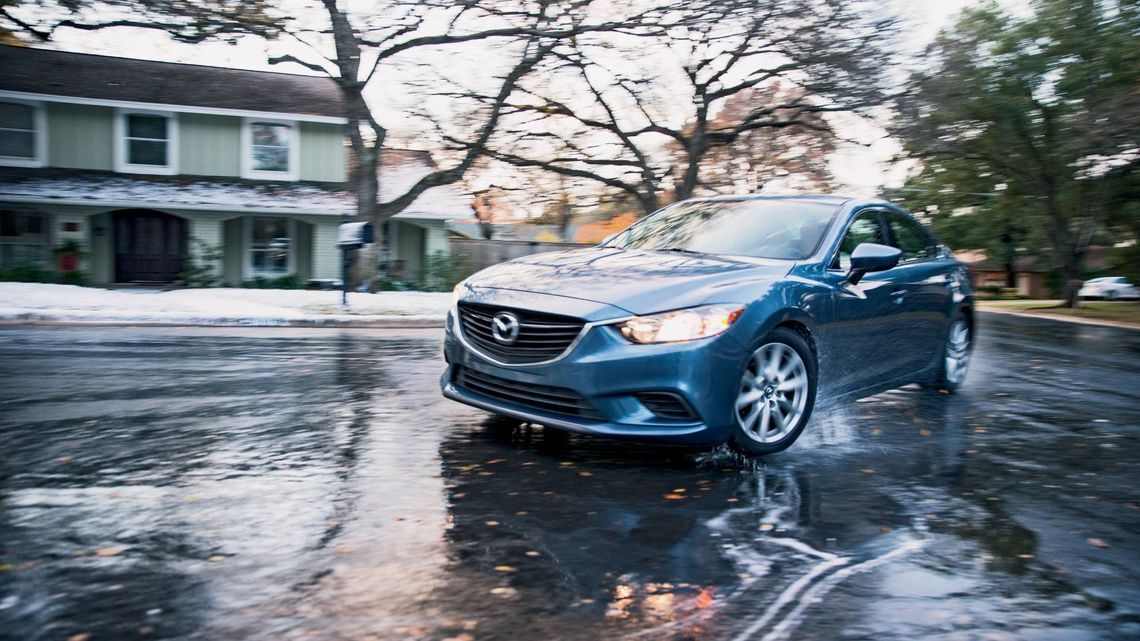
Driving on Wet Roads
There’s a trick to driving in wet conditions. You ready? Here it is. SLOW DOWN. Seriously, if more drivers would heed this advice in the rain, accidents would dramatically decrease. Wet weather doesn’t get the same attention as snow and ice, but it should. Wet roads present similar dangers—like less grip and longer stopping distance. To watch wet weather driving techniques, watch the video below, which was shot on a professional wet track with a professional driver.View more -

Road Trip Tips
Luggage packed, tank full, GPS set, seatbelt on. You are not ready yet. Your tires are the only thing between you and the open road, and a tire problem 300 miles from home is a very different situation from one near your house. The pre-trip check is short: pressure on all four plus the spare compared against your door jamb sticker, and tread checked both visually and with the penny test.View more -

Tips to Get Better Gas Mileage
Some tires grip better. Some last longer. Some are engineered specifically to deliver better gas mileage through lower rolling resistance. Rolling resistance is the energy your tire consumes deforming against the road with every rotation, and it is one of the few fuel economy variables you directly control. The other is inflation pressure, which costs nothing to get right.View more -
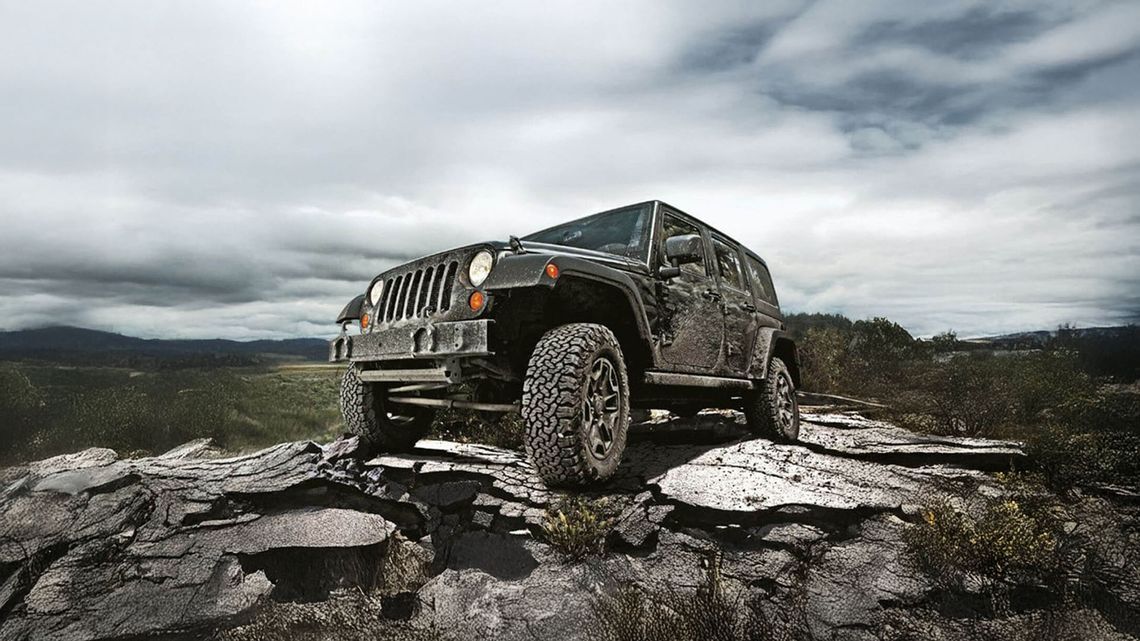
Off-Road Driving Tips
Off-road driving rewards technique over throttle. In sand and snow, if your wheels start to spin, ease off the gas to let the tires slow and regain traction. In mud you want the opposite: maintain some wheel spin to help clear mud from the drive tires. Approach obstacles at an angle so one tire engages while the other three stay on solid ground. On hills, approach straight on and always have an escape plan.View more