
Dealer Locator
Search among our dealers to find where your tire is available
Frequently asked questions
BFGoodrich answers your most asked questions.
FAQ
Grip the steering wheel firmly with both hands. Do not brake hard. Keep your foot steady on the accelerator briefly to stabilize the vehicle, then ease off gradually. Let speed drop naturally while you steer toward the shoulder. Apply gentle braking only once the vehicle is traveling slowly and tracking straight. Turn on your hazards.
Because the vehicle is already unbalanced by the sudden drag and pull from the failed tire. Adding hard braking on top of that can cause a spin or a rollover, particularly with a front blowout that is already pulling the vehicle to one side. Letting speed bleed off naturally gives you time to steer and stabilize before you touch the brakes.
A front blowout pulls the vehicle sharply toward the failed side and directly affects steering, making it more demanding to manage. A rear blowout tends to produce a swerve or fishtail feeling but leaves your steering intact. In both cases the response is the same: firm grip, no hard braking, gradual deceleration, steer to the shoulder.
Sustained underinflation is the leading cause, because excess flexing generates heat that degrades the internal structure until it fails. Overloading beyond the tire's load rating does the same. Impact damage from potholes and debris can break internal cords that fail later. Driving on a tire with existing damage or past its service life adds to the risk.
Almost never. A blowout means structural failure, with broken cords and internal damage far beyond what a repair can address. Even if the visible damage looks contained, the tire must be inspected internally, and in the overwhelming majority of cases the correct outcome is replacement.
Check pressure monthly with a gauge, because underinflation is the primary cause. Stay within your vehicle's load rating. Inspect tires monthly for cuts, bulges, and embedded objects. Have tires professionally inspected after any hard impact with a pothole or curb. And replace tires that have reached their wear limit or service life.
Related pages
Related articles
-
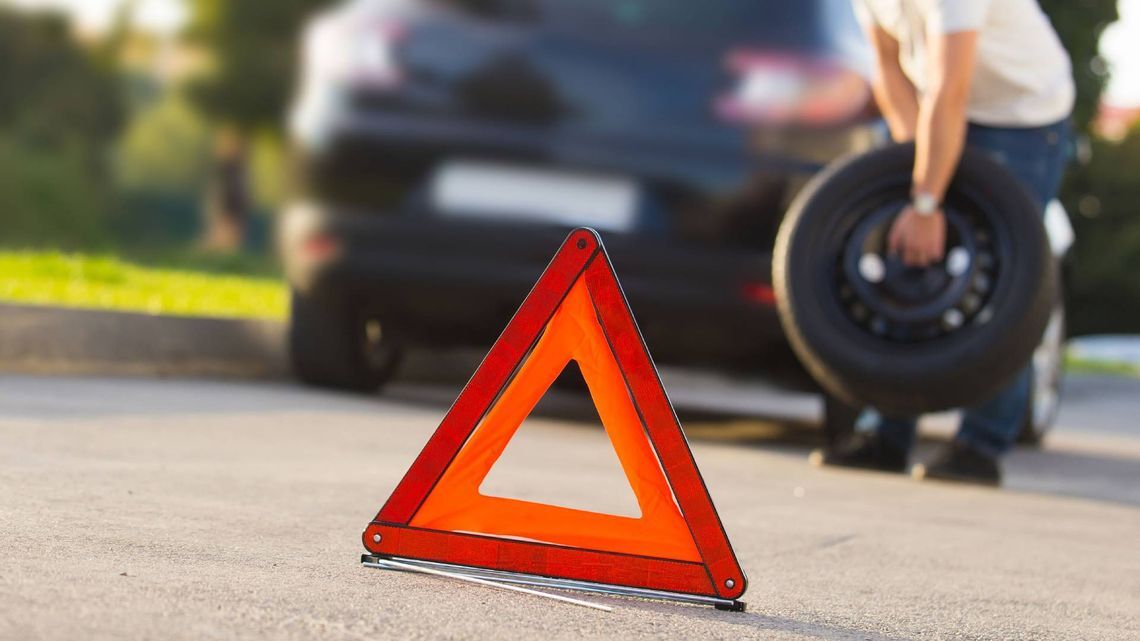
Emergency Care Services
Let’s face it, not every trip goes as perfectly as planned. And as much as we hope you never need emergency care on the side of the road, there’s a chance you will at some point. So, make sure you have proper roadside assistance before you need it. There are lots of programs available, and every program has its own pros and cons. Most charge an annual fee from $30 to $100 or more, and often include towing, flat-tire changing, lost-key replacement, help with vehicles that are stuck and delivery of fuel (if you’re stuck on empty). All coverages are unique, so be sure to pick one that matches your specific needs. And above all else, read the fine print before you join!View more -

Tire Pressure Sensor
You’ve probably seen it – the tire pressure warning light (see accompanying image) – a computerized measurement that alerts you when the pressure of one (or more) of your tires falls below 25% of the manufacturer’s recommended psi (pounds per square inch). Some cars alert you if your tire’s pressure is too high, but the majority of vehicles focus on the more common problem: underinflation.View more