WET DRIVING TIPS
- Make sure your tires offer the proper amount of tread (click here to learn the Penny Test).
- Own tires that offer maximum grip in wet weather, like the BFGoodrich® g-Force Super Sport A/S®.
- Drive with two hands. Always.
- Slow down before turning, and maintain a consistent speed throughout the turn.
- While turning, don’t make any sudden steering wheel movements.
- Only brake in a straight line before the turn, and do so gradually. Do not brake during the turn.
- Increase your following distance from other cars significantly.
- If hydroplaning, do not accelerate or brake suddenly. Keep your foot lightly on the gas and steer the car forwards until your tires regain traction.

Dealer Locator
Search among our dealers to find where your tire is available
Frequently asked questions
BFGoodrich answers your most asked questions.
FAQ
Do not accelerate and do not brake suddenly. Keep your foot lightly on the gas, hold the steering steady, and guide the car forward until the tires regain contact with the road. Sudden inputs while the tires are riding on a film of water are what turn a brief hydroplane into a full loss of control.
Because they present the same core dangers as winter roads: less available grip and longer stopping distances. Snow and ice trigger caution automatically in most drivers. Rain does not, so drivers maintain dry-weather speeds and following distances on a surface that no longer supports them.
Tread depth and groove design that evacuate water from the contact patch, plus a compound formulated to grip a wet surface. As tread wears down, water evacuation capacity drops and hydroplaning risk rises. This is why replacing tires at 4/32 of an inch rather than waiting for 2/32 is worth considering if you drive in rain frequently.
In the first several minutes of rainfall after a dry spell, when water lifts accumulated oil and rubber residue off the surface before washing it away. That mixture is more slippery than either surface alone. Standing water in ruts and at lane edges is the other high-risk situation, because it causes hydroplaning at lower speeds.
Meaningfully more than in dry conditions, and more again if the rain is heavy or there is standing water. The principle is that you need enough space to stop completely if the vehicle in front stops suddenly. If traffic does not allow that gap, reduce speed until it does rather than closing up.
Related pages
Related articles
-
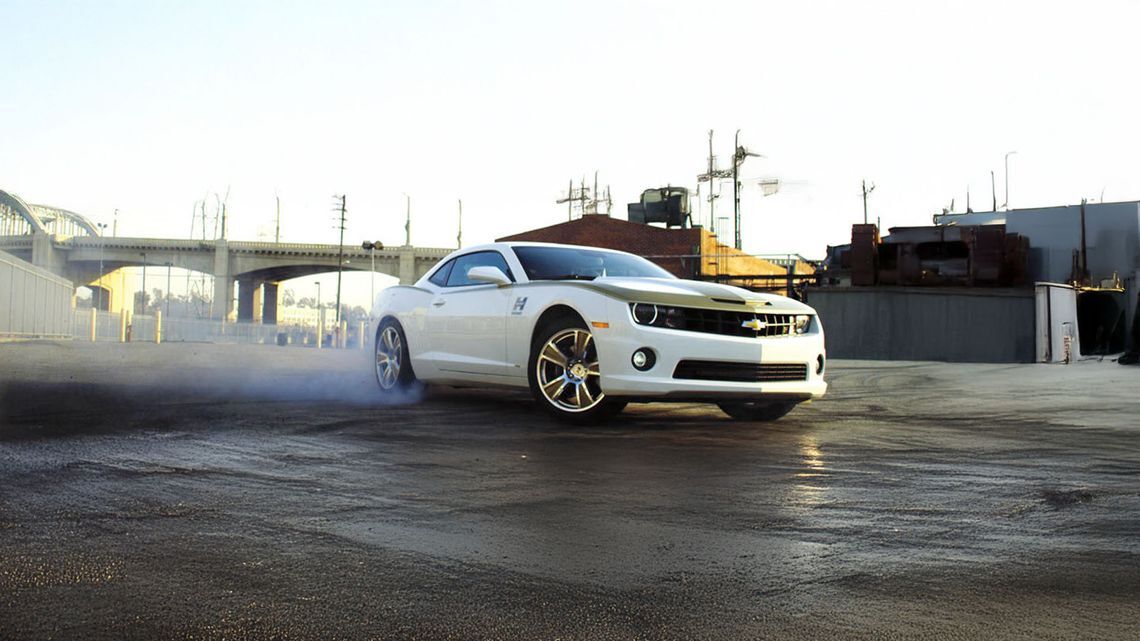
Oversteering and Understeering
Take a turn too fast and one of two things happens. In understeer, the front tires lose grip and the vehicle continues straight even though you have turned the wheel. In oversteer, the rear loses grip and swings wide. Each has a different correct response, and the instinctive reaction is usually wrong in both cases. Wet conditions make both far more likely.View more -

Winter Driving Tips
You don’t have to live at the North Pole to benefit from winter tires. If you frequently encounter snow or ice, or if the temperature is consistently below 45 degrees, well, you may want to think about moving. However, if you like that kind of weather, your tires are going to need the extra grip and turning capabilities that only winter tires can deliver. Even if you have 4-wheel drive or all-wheel drive, you still need winter tires on the front and back to combat the elements and stay safe.View more -
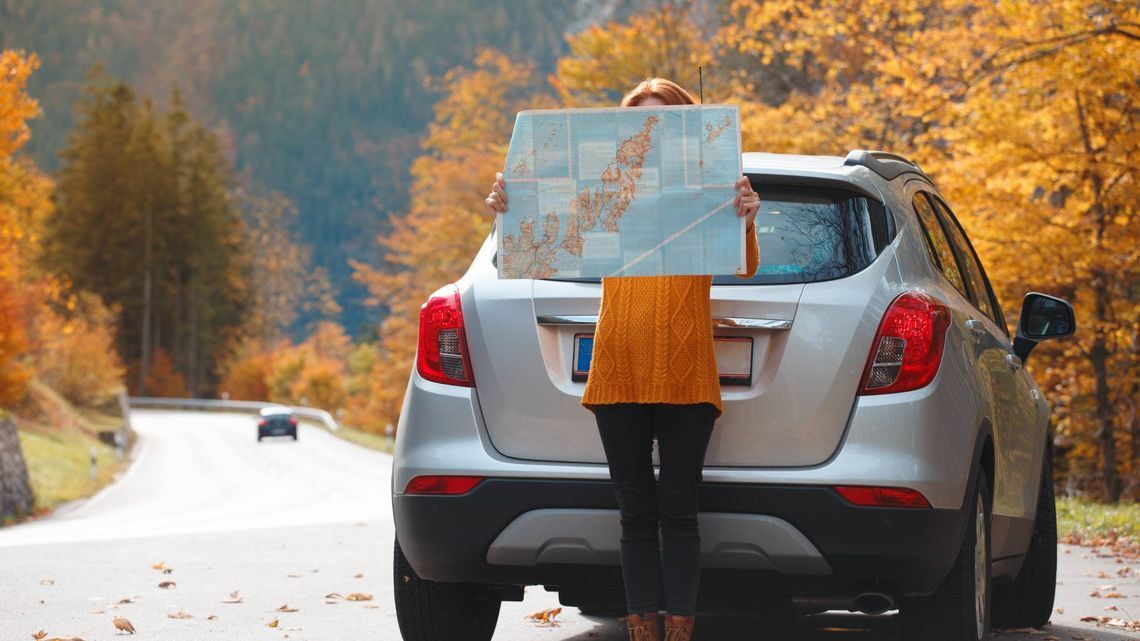
Road Trip Tips
Luggage packed, tank full, GPS set, seatbelt on. You are not ready yet. Your tires are the only thing between you and the open road, and a tire problem 300 miles from home is a very different situation from one near your house. The pre-trip check is short: pressure on all four plus the spare compared against your door jamb sticker, and tread checked both visually and with the penny test.View more -

Tips to Get Better Gas Mileage
Some tires grip better. Some last longer. Some are engineered specifically to deliver better gas mileage through lower rolling resistance. Rolling resistance is the energy your tire consumes deforming against the road with every rotation, and it is one of the few fuel economy variables you directly control. The other is inflation pressure, which costs nothing to get right.View more -
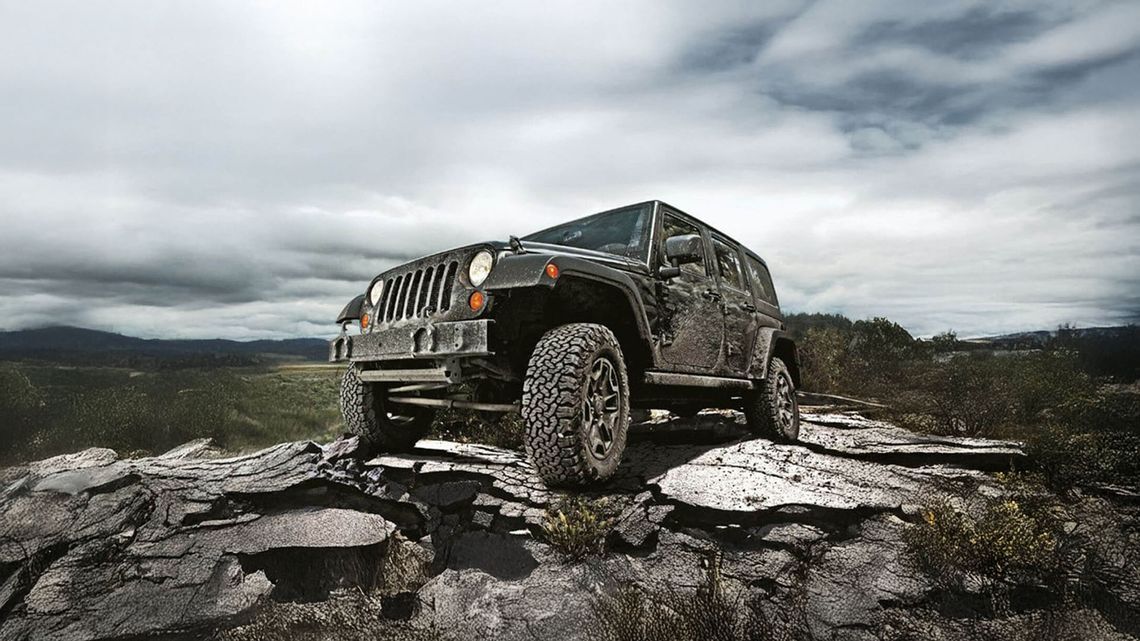
Off-Road Driving Tips
Off-road driving rewards technique over throttle. In sand and snow, if your wheels start to spin, ease off the gas to let the tires slow and regain traction. In mud you want the opposite: maintain some wheel spin to help clear mud from the drive tires. Approach obstacles at an angle so one tire engages while the other three stay on solid ground. On hills, approach straight on and always have an escape plan.View more