IF YOUR LIGHT COMES ON
First things first, check all four tires for nails, tears or any damage that might cause it to lose pressure. Next, use a tire pressure gauge on the tire (or tires) that your system indicated had low pressure. Compare the tire’s psi with the manufacturer’s recommended psi, which can be found in your owner’s manual or on the sticker inside of your driver’s side door jam. (To find this sticker, click here.) If pressure is low, add air until it reaches the proper pressure. If your light continues to stay on, take your vehicle to an authorized tire dealer immediately.

Dealer Locator
Search among our dealers to find where your tire is available
Frequently asked questions
BFGoodrich answers your most asked questions.
FAQ
A yellow or amber symbol shaped like a horseshoe or a cross-section of a tire, with an exclamation mark in the center, on the instrument cluster. Some vehicles also display per-tire pressure readouts in the driver information screen, which tells you exactly which tire is low.
Check all four tires with a gauge as soon as you can do so safely. Add air to any tire below the pressure listed on your door jamb sticker. Then drive a short distance to let the system re-read. If the light stays on after correcting pressure, or if any tire shows visible damage, get to an authorized dealer immediately or call roadside assistance.
Only far enough to reach a safe place to check the tires or a station to add air. The light means at least one tire is significantly below specification, which affects handling and braking and risks heat-related failure at speed. Drive at reduced speed, avoid highway travel, and address it as soon as possible.
Air contracts as temperature drops, so a tire correctly inflated in warm weather reads lower on a cold morning. This is the most common reason the light appears seasonally. Add air to bring the tires back to your door placard specification. It is a real drop in pressure, not a false alarm, and it needs correcting.
Not necessarily. It can be natural pressure loss over time, a cold weather drop, a leaking valve stem, or a slow puncture. If the tire keeps losing pressure after you refill it, that indicates an actual leak needing professional inspection. If it holds pressure after refilling, it was likely natural loss or temperature-related.
No. TPMS typically only triggers when pressure has dropped well below specification, often around 25 percent low. A tire can be meaningfully underinflated, hurting fuel economy, handling, and tread life, without ever triggering the light. Monthly manual checks with a gauge catch what the system does not.
Related pages
Related articles
-
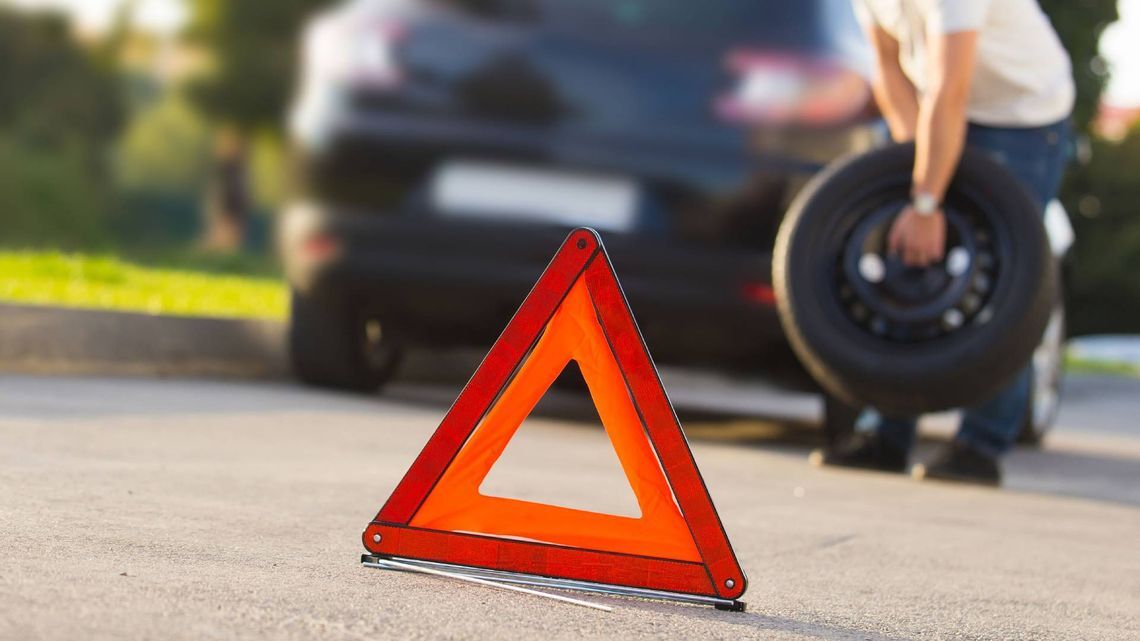
Emergency Care Services
Let’s face it, not every trip goes as perfectly as planned. And as much as we hope you never need emergency care on the side of the road, there’s a chance you will at some point. So, make sure you have proper roadside assistance before you need it. There are lots of programs available, and every program has its own pros and cons. Most charge an annual fee from $30 to $100 or more, and often include towing, flat-tire changing, lost-key replacement, help with vehicles that are stuck and delivery of fuel (if you’re stuck on empty). All coverages are unique, so be sure to pick one that matches your specific needs. And above all else, read the fine print before you join!View more -

Tire Blowout
With today’s tire technology—especially BFGoodrich® tires—you may never have to deal with a blowout, but if you do, we can help guide you through it. (Also, if you own BFGoodrich tires SSS (self supporting structure) technology, you can drive up to 50 miles at 50 mph with a flat tire.) The following video shows you how to handle a tire blowout, utilizing footage shot at a professional course with a professional driver and tire-explosive testing equipment.View more