If you’re going to learn, learn from the experts. BFGoodrich® Tires has earned more than 30 SCORE Baja 1000 wins and nearly 100 overall four-wheel SCORE desert race titles. So yeah, we own the off-road. Off-road driving can be fun, especially when it’s intentional. But, it’s an entirely different kind of driving altogether. We recommend you understand the basic techniques, so you don’t get stuck in a precarious situation.
SAND, SNOW AND MUD
- Deflate your tires a bit to increase your tire footprint for better traction.
- Use steady momentum all the way through.
- In sand and snow, if your wheels start to spin, ease off the gas a little to let the tires slow down and regain traction. In mud, maintain some wheel spin to help clear mud from the drive tires.
ROCKS, LOGS AND DITCHES
- Approach obstacles at an angle, so that only one tire engages, leaving the other three tires on solid ground for traction.
- To protect the fragile components on the underside of your vehicle, it’s best to drive over an obstacle by placing one tire on it, then gently driving over it.
Hills
- Approach the hill straight on, so the weight is distributed equally, providing equal traction to all four tires.
- Use as high a gear as the vehicle will handle comfortably on the hill. If the gear is too low, you will spin the tires. If it’s too high, you won’t have enough power.
- Always prepare for a failed climb and have an escape plan.

Dealer Locator
Search among our dealers to find where your tire is available
Frequently asked questions
BFGoodrich answers your most asked questions.
FAQ
It depends on the surface. In sand and snow, ease off the gas a little so the tires slow down and regain traction, because spinning digs you in. In mud the opposite applies: maintain some wheel spin to help clear packed mud out of the tread so the tire can bite again. Reading the surface determines which response is correct.
At an angle, so only one tire engages the obstacle at a time and the other three stay on solid ground providing traction. Place one tire on the obstacle and drive over it gently rather than hitting it square. This protects the fragile components on the underside of your vehicle and keeps you from losing traction on all four corners at once.
Approach straight on, so weight is distributed evenly and all four tires get equal traction. Use as high a gear as the vehicle will handle comfortably. Too low a gear spins the tires, too high leaves you without enough power. Most importantly, always plan for a failed climb before you start and know your escape route back down.
Approaching or traversing a hill at an angle shifts weight to the downhill side, unloading the uphill tires and dramatically increasing rollover risk. Straight up and straight down keeps weight distributed evenly across all four tires. Side hilling, driving laterally across a slope, is one of the highest-risk maneuvers in off-roading.
For light unpaved roads and fire trails, a capable all-terrain tire handles it while staying comfortable and quiet on pavement. For rock, deep mud, or committed trail use, you need the sidewall toughness and aggressive tread of a purpose-built all-terrain or mud-terrain tire. Match the tire to where you actually drive, not where you imagine driving.
Related pages
Related articles
-
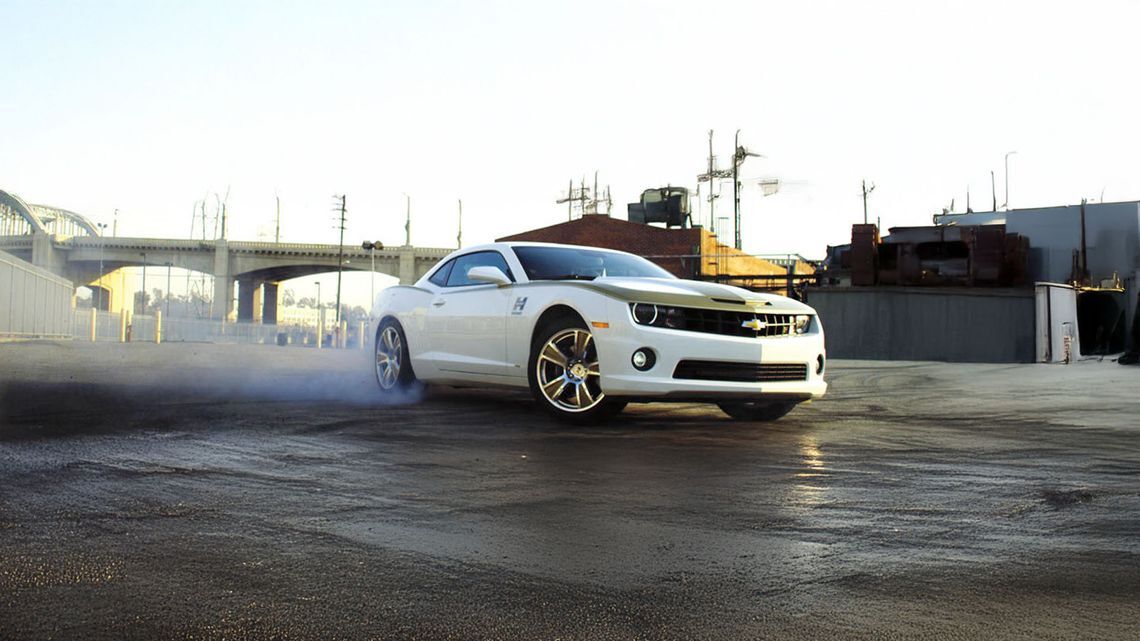
Oversteering and Understeering
Take a turn too fast and one of two things happens. In understeer, the front tires lose grip and the vehicle continues straight even though you have turned the wheel. In oversteer, the rear loses grip and swings wide. Each has a different correct response, and the instinctive reaction is usually wrong in both cases. Wet conditions make both far more likely.View more -

Winter Driving Tips
You don’t have to live at the North Pole to benefit from winter tires. If you frequently encounter snow or ice, or if the temperature is consistently below 45 degrees, well, you may want to think about moving. However, if you like that kind of weather, your tires are going to need the extra grip and turning capabilities that only winter tires can deliver. Even if you have 4-wheel drive or all-wheel drive, you still need winter tires on the front and back to combat the elements and stay safe.View more -
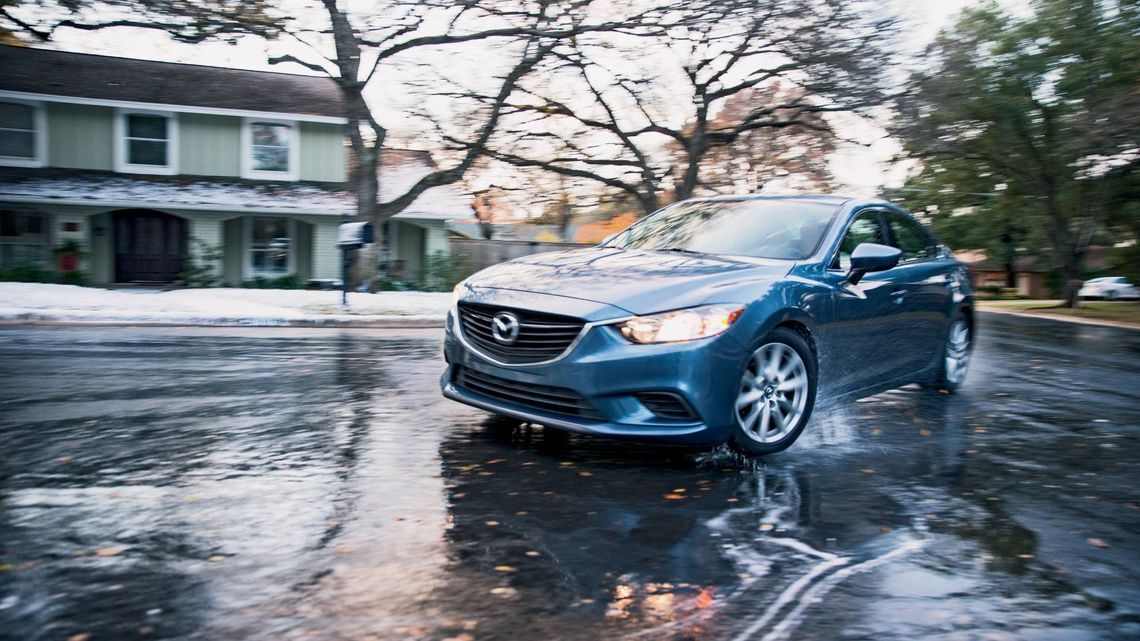
Driving on Wet Roads
There’s a trick to driving in wet conditions. You ready? Here it is. SLOW DOWN. Seriously, if more drivers would heed this advice in the rain, accidents would dramatically decrease. Wet weather doesn’t get the same attention as snow and ice, but it should. Wet roads present similar dangers—like less grip and longer stopping distance. To watch wet weather driving techniques, watch the video below, which was shot on a professional wet track with a professional driver.View more -
Road Trip Tips
Luggage packed, tank full, GPS set, seatbelt on. You are not ready yet. Your tires are the only thing between you and the open road, and a tire problem 300 miles from home is a very different situation from one near your house. The pre-trip check is short: pressure on all four plus the spare compared against your door jamb sticker, and tread checked both visually and with the penny test.View more -

Tips to Get Better Gas Mileage
Some tires grip better. Some last longer. Some are engineered specifically to deliver better gas mileage through lower rolling resistance. Rolling resistance is the energy your tire consumes deforming against the road with every rotation, and it is one of the few fuel economy variables you directly control. The other is inflation pressure, which costs nothing to get right.View more